First steps with RC model airplanes
Radio-controlled model airplanes combine building, flying and problem solving. These are the basics a beginner should know before the first flight.
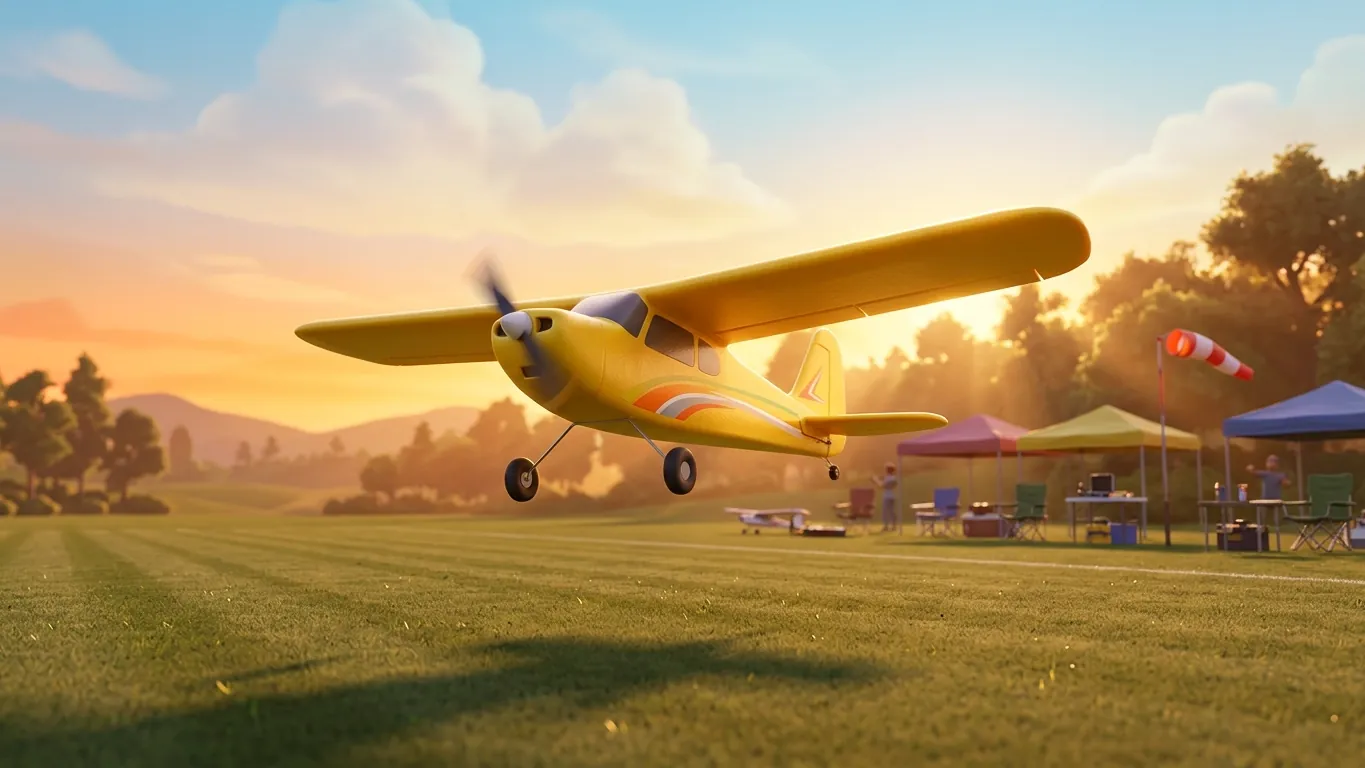
Trainer airplanes and why they exist
A trainer is a model airplane designed to be forgiving. Most have a high wing mounted above the fuselage, which naturally keeps the plane upright, and generous wing area that allows slow, stable flight. Many modern trainers are made of durable foam and may include electronic stabilization that helps level the aircraft when you release the sticks.
Unlike a drone, an airplane must keep moving forward to stay in the air. You cannot simply stop and hover while you think. That is why choosing a stable, slow trainer makes such a difference: it gives you time to react and correct mistakes.
Electric power and batteries
Most beginner models today are electric, powered by rechargeable lithium polymer batteries. These batteries store a lot of energy and need careful handling. Always follow the manufacturer's charging and storage instructions, use a suitable charger, never leave batteries charging unattended and inspect them for swelling or damage before every flight.
Flight time depends on the model, the battery and how you fly. Plan to land with energy in reserve rather than flying until the motor fades, because a sudden loss of power far from the field is stressful for a beginner.
Practicing on an RC simulator
RC flight simulators let you fly virtual model airplanes using your transmitter or a compatible controller. They are particularly useful for a skill that confuses almost everyone at first: when the airplane flies toward you, your left and right inputs appear reversed from your point of view.
Spending time in a simulator before your first real flight helps you practice orientation, turns, approaches and landings. You can also rehearse recovering from unusual attitudes, which is difficult and risky to learn in the real world. Simulators cannot fully reproduce gusty wind or the nerves of a first flight, but they make those first real minutes far less chaotic.
Finding a place to fly
Model airplanes need space: an open area free of people, buildings, power lines and trees, with room for takeoff, landing and turns. Many hobbyists fly at club fields, where experienced members may offer advice and some clubs organize help for beginners. Being near others who know the hobby can make the learning process easier and safer.
Model aircraft are also covered by aviation rules in many countries, including the United States. Check current requirements from the relevant authority and any local restrictions before you fly.
Building, repairs and patience
Many trainers arrive almost ready to fly, but you will still need to check that control surfaces move in the correct direction, that the center of gravity is where the instructions specify and that everything is securely attached. These checks are part of the hobby and worth doing every time.
Sooner or later, a model will have a hard landing. Foam aircraft can often be repaired with suitable glue and tape, and learning to fix your plane is part of the satisfaction. Treat each incident as information: what happened, why, and what you will do differently next time.
Related articles
 Weather and navigation in flight sims
How wind, clouds and visibility affect flying in simulators, plus basic navigation methods like pilotage, dead reckoning and radio aids.
Read more
 What simulators teach and what they don't
An opinion piece on what flight, drone and RC simulators teach well, where they fall short and how hobbyists can keep a balanced view.
Read more
 Planning a weekend pilot routine
Practical tips for planning hobby time around flight sims, drones and model airplanes, with a sample weekend plan, gear care and a simple logbook.
Read more